If you ever find yourself in Phnom Penh, Cambodia, consider visiting the Tuol Sleng Genocide Museum—also known as S21. It’s not a joyful sightseeing spot, and it can be emotionally overwhelming, but it’s a place that everyone should see to understand the depths of what the Cambodian people endured under Pol Pot’s brutal regime.
A Former School Turned Prison
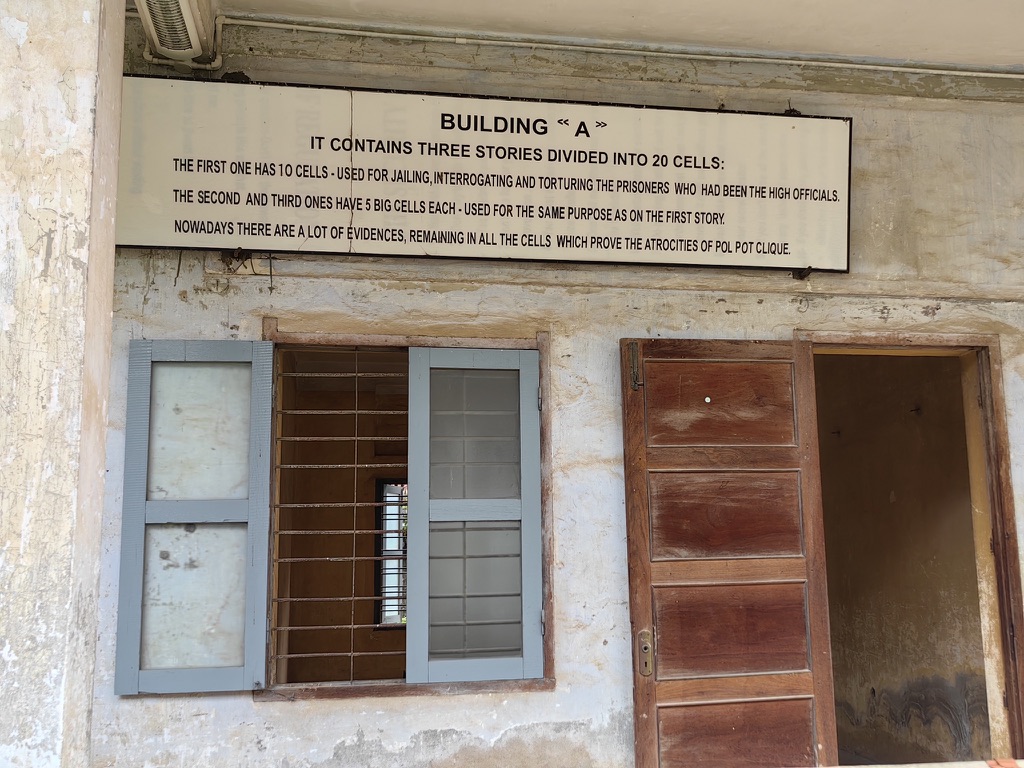
Walking up to the museum, I was struck by how ordinary the buildings looked at first glance. That’s because, before the Khmer Rouge seized power in April 1975, this complex was simply Tuol Svay Prey High School. During the regime, the classrooms—once filled with students—were converted into prison cells and interrogation rooms.
It’s hard to imagine children once playing on these very grounds. In Pol Pot’s twisted vision, education was a threat to his ideal agrarian society. Turning a school into a detention center was a grim reflection of his fear of knowledge and intellectual growth.
Fear and Control
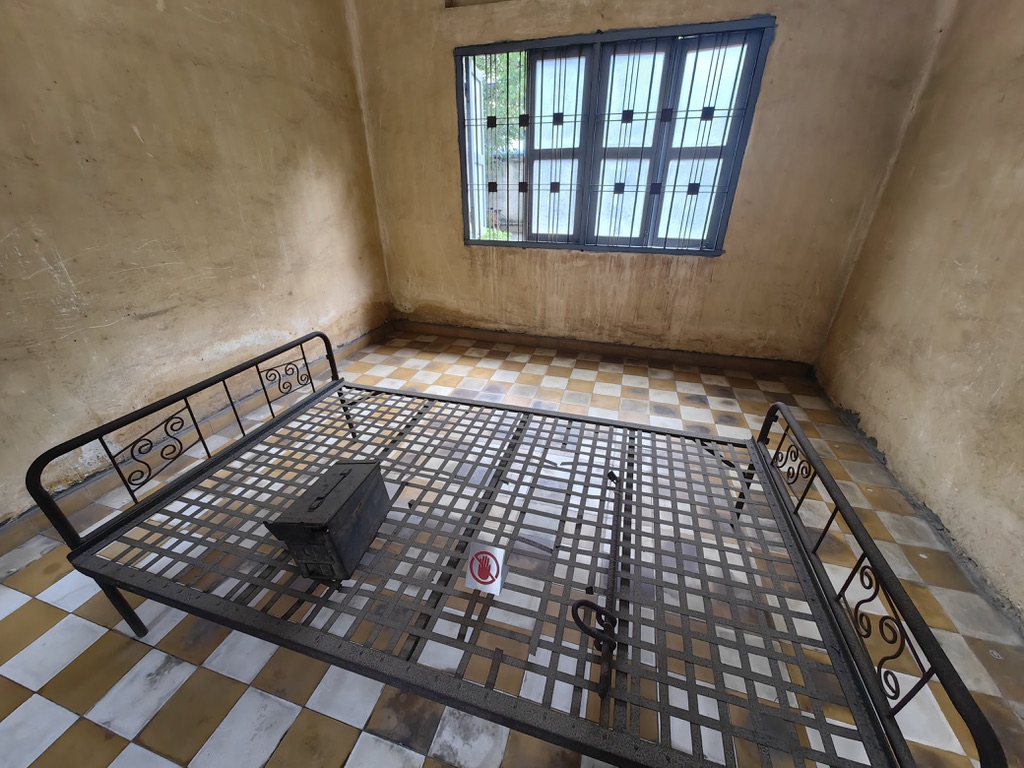
The cells, shackles, and torture devices stood as witnesses to the brutal interrogations that took place here. Almost 18,000 prisoners were brought into S21, often accused on flimsy or fabricated charges. Each day, they faced relentless torture, humiliation, and forced confessions.
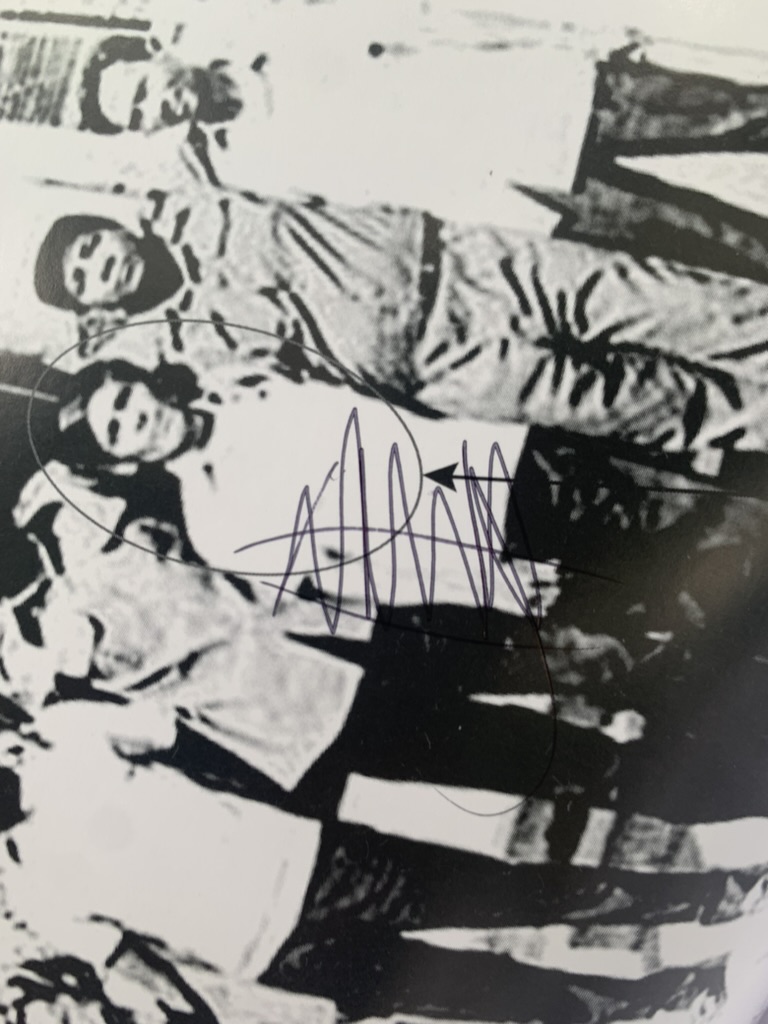
One of the most haunting sections of the museum is the gallery of black-and-white prisoner photographs. Each face is different—some look terrified, others confused. But behind each expression lies a person with a story, a family, and dreams that were cut short.
Pol Pot’s Dystopia
Pol Pot’s regime aimed to create a self-sufficient agrarian utopia. Money, religion, and private property were all banned, and the entire urban population was forcibly relocated to labor camps. Intellectuals, doctors, and educators—anyone with expertise—were marked as enemies. Even wearing glasses could be a death sentence.
S21 played a pivotal role in this machinery of terror. Prisoners were subjected to torture until they “confessed” to imagined crimes, after which many were transferred to the “Killing Fields”—sites of mass executions. By the time the regime ended, nearly two million people had died from execution, starvation, or overwork.
A Space of Remembrance and Reflection
Today, the Tuol Sleng Genocide Museum stands as a stark reminder of this horrific period in Cambodia’s history. It honors the victims and ensures that their suffering will not be forgotten. It also serves as a powerful lesson on how easily human rights can be stripped away when power goes unchecked.
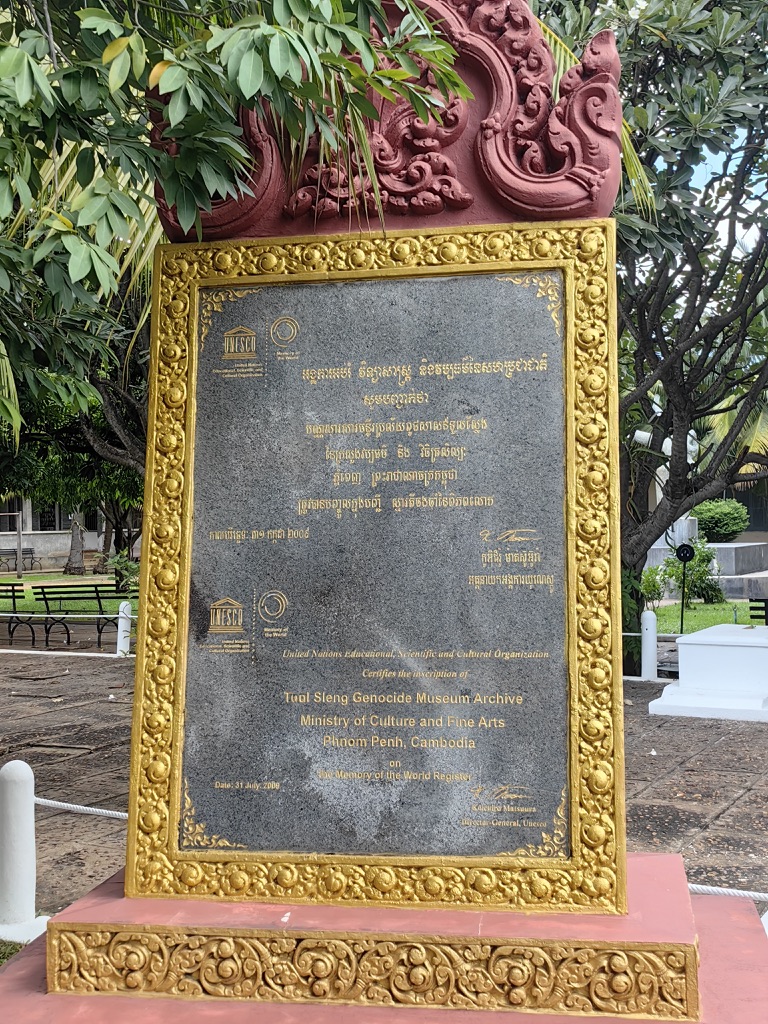
The S21 Museum gives visitors the opportunity to confront this dark legacy and to remember the lives that were lost.
 Nerowan‘s Blog
Leave a comment